

Flexible Sensors: A New Generation of Perception Technology to Make Technology Soft
Leave a message
Introduction: From Hard to Soft Technology Revolution
In the traditional impression, electronic devices are always hard and cold, but with the development of science and technology, a new type of sensors capable of bending, folding, and even stretching - flexible sensors are quietly changing this perception. Flexible sensors not only break through the physical form of the traditional sensor limitations, more human-computer interaction, health monitoring and other fields has brought revolutionary innovation possibilities.

Ⅰ.WHAT IS A FLEXIBLE SENSOR?
A flexible sensor is a flexible material made of electronic sensing devices that can withstand bending, folding, stretching, and other deformations without affecting its function. Compared with traditional rigid sensors, it has the following significant features:
Material properties: the use of polymers, nanomaterials, elastomers, and other flexible substrates
Mechanical properties: bendable (radius of curvature up to millimeters), stretchable (some types can be stretched to several times the original length).
Structural design: thin-film, fiber, or three-dimensional elastic structure
Maintenance of function: maintain sensing accuracy under deformation
The principle of operation of flexible sensors is similar to that of traditional sensors, in that it converts physical (e.g., pressure, temperature, deformation) or chemical quantities into measurable electrical signals, but the special feature is how this function is realized at the same time. The special feature is to realize this function while maintaining the flexibility and deformability of the material.
Ⅱ.THE CORE TYPES OF FLEXIBLE SENSORS
According to the different detection objects, flexible sensors are divided into the following categories:
1. Flexible Pressure Sensors
Principle: Detection of pressure through changes in resistance, capacitance, or piezoelectric effect
Characteristics: High sensitivity, detects a wide range of pressure from light touch to heavy pressure
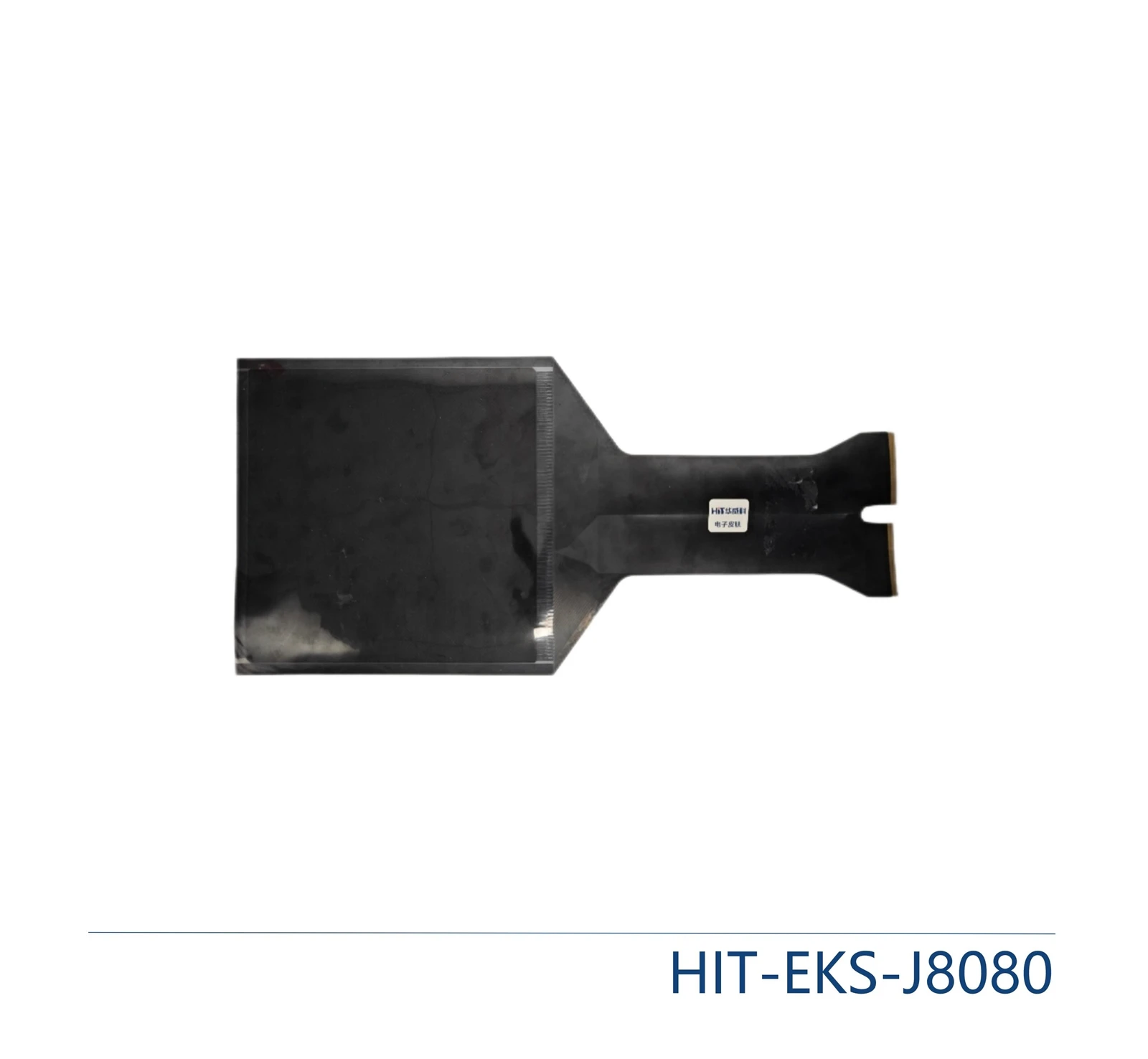
Typical applications: Electronic skin, intelligent textiles, smart textiles, and others. Typical applications: electronic skin, smart textiles, robotic haptics
2. Flexible Strain Sensors
Principle: Monitoring of changes in electrical resistance due to stretching or compression of a material
Characteristics: Measurement of a wide range of deformations (up to 800% tensile elongation)
Typical applications: motion monitoring, structural health testing, wearable devices
3. Flexible Temperature Sensors
Principle: Utilizes thermoelectric or resistive temperature effects
Features: Can be adapted to complex curved surfaces for distributed temperature measurement
Typical applications: medical heat therapy, smart thermostatic clothing
4. Flexible Biochemical Sensors
Principle: Detection of a specific chemical substance or biomarker using a biorecognition element
Characteristics: can be in direct contact with body fluids, real-time monitoring
Typical applications: sweat composition analysis, wound healing monitoring
Ⅲ. KEY MATERIAL TECHNOLOGIES FOR FLEXIBLE SENSORS
The core of the realization of the sensor "flexibilization" lies in the innovation of materials:
Conductive materials:
Metal nanowires (silver nanowires, copper nanowires)
Carbon-based materials (graphene, carbon nanotubes)
Conductive polymers (PEDOT: PSS, polyaniline)
Flexible substrates:
PDMS (polydimethylsiloxane)
Ecoflex Series Silicone Rubber
Thermoplastic elastomers such as polyurethane
Structural design:
Microcracked structure to enhance sensitivity
Pleated structure to improve tensile properties
Three-dimensional porous structure to increase air permeability
These combinations of materials and structural designs allow flexible sensors to achieve amazing mechanical properties while maintaining excellent electrical properties.
IV. APPLICATION SCENARIOS OF FLEXIBLE SENSORS
The application prospects of flexible sensors are extremely broad, penetrating almost every field of modern life:
1. Medical and healthcare fields
Wearable health monitoring: Flexible sensors that fit the skin can continuously monitor vital signs such as heart rate, blood oxygen, blood pressure, etc., which is more accurate and comfortable than traditional smartwatches.
E-skin: Tactile feedback for prosthetic limbs to help amputees restore tactile sensation
Smart wound dressing: monitor wound temperature, pH, and other indicators to assess healing status
Surgical robot: provide fine force feedback to improve surgical safety
2. Sports and Fitness
Smart Sportswear: Clothing embedded with flexible sensors to monitor muscle activity, posture, and exercise intensity in real time
Sports Injury Prevention: Analyzing movement patterns to provide early warning of incorrect movements that could lead to injury
Professional Athlete Training: Accurately quantify training effects and optimize training programs.
3. Human-Computer Interaction
Flexible Touch Screen: Flexible touch sensors are required for foldable and curved display devices.
Gesture Recognition: Flexible sensors worn on the hand can accurately capture complex gestures. Gesture recognition: Flexible sensors worn on the hands can accurately capture complex gestures
Virtual Reality: Provide more natural tactile feedback to enhance the sense of immersion
4. Smart Home and Internet of Things
Smart Furniture: Smart mattresses with built-in pressure sensors can monitor the quality of sleep
Flexible electronic tags: Bendable and deformable tags for monitoring the condition of items
Smart packaging: Monitoring food freshness, medicine storage conditions
5. Industry and safety
Structural health monitoring: networks of sensors affixed to the surface of structures such as bridges and airplanes for early detection of damage
Industrial Robotics: flexible tactile sensors enable robots to safely collaborate with humans
Intelligent Protective Gear: monitor workers' Exposure to hazardous environments
V. ADVANTAGES AND CHALLENGES OF FLEXIBLE SENSORS
Significant Advantages:
Outstanding Fit: Adapts to a wide range of complex surfaces, from human skin to industrial equipment
Comfortable Experience: Lightweight, thin, and soft for long-term wear without discomfort
Multi-functional integration: Multiple sensing functions can be integrated on the same flexible substrate
Durable: Resistant to repeated bending, with some products able to withstand hundreds of thousands of bending cycles
Challenges:
Complexity of the manufacturing process. High technological threshold for nanomaterial preparation and precision patterning
Signal stability: performance degradation due to material fatigue in long-term use
Insufficient standardization: lack of unified performance evaluation standards and test methods
Cost issues: Some nanomaterials are expensive, and the mass production process is not mature
VI. FUTURE DEVELOPMENTAL TRENDS
Flexible sensor technology is developing rapidly in the following directions:
Self-powered technology: combining friction nanogenerators or solar cells to realize energy autonomy
Biodegradable sensors: using absorbable materials to reduce electronic waste
Multifunctional integration: simultaneous detection of physical, chemical, and biological parameters in a single sample
Wireless and Intelligent: integration of wireless transmission and edge computing capabilities
Mass Manufacturing Technology: low-cost mass production processes such as roll-to-roll printing
According to IDTechEx, a market research organization, it predicts that by 2030, the flexible electronics market will exceed $80 billion, of which flexible sensors will occupy an important share.
CONCLUSION: SOFTNESS CHANGES THE WORLD
Flexible sensors represent a paradigm shift in sensing technology from "hard" to "soft", blurring the boundaries between electronic devices and living organisms, and bringing unprecedented possibilities to the fields of healthcare, sports, and industry. With advances in materials science and manufacturing technology, flexible sensors are expected to become as popular as smartphones, quietly integrating into our lives and profoundly changing the way humans interact with technology in a "soft" way.
In the future, we may see: completely fit the heart surface of the flexible sensor for early warning of heart attack; smart clothing through the sweat analysis of real-time adjustments to the exercise program; home robots through the flexible tactile sensors to take care of the elderly and children safely. The realization of these scenes is inseparable from the continued breakthroughs in flexible sensor technology. The era of flexible sensors has arrived, and it is redefining the way we perceive the world in a gentle but profound way.


